Ask ten Indians what “Indian food” even means and you’ll get ten different answers, and none of them are wrong exactly. That’s what people miss when they lump it into one cuisine — it’s really a dozen-plus food cultures mashed under one label, and a plate in Punjab has almost nothing in common with a plate in Kerala.
Most people’s first taste of it is a restaurant menu built around butter chicken and naan. Good stuff, no complaints there, but it’s really just one regional slice of something much bigger. Here’s ten worth going out of your way for, whether you’re brand new to this or you’ve done the greatest-hits tour already and want more.
1. Biryani
Ask which city makes the best biryani and watch a friendly argument break out instantly. Hyderabad, Lucknow, Kolkata — everybody’s got a claim, and everybody’s a little biased toward wherever they grew up eating it.
Layered rice, meat or vegetables, a heavy hand with spices — that’s the skeleton of it, but the execution shifts a lot by region. Hyderabadi biryani runs spicier, meat and rice cooked together from the jump. Lucknowi’s gentler, meat cooked separately first, then layered in. Both are genuinely great. Neither camp will ever concede the other’s right.
2. Masala Dosa
Never had a real dosa? Picture a huge, paper-thin, crackly crepe made from fermented rice and lentil batter, folded around spiced potato. South Indian breakfast staple, though it’s honestly great at 3pm too, no rule against that.
The fermenting is what gives it that faint tang, and getting it thin and crisp without it tearing apart takes actual skill — looks simple, isn’t. Comes with coconut chutney and sambar (a tangy lentil soup) on the side, and somehow it manages to feel light and completely filling at once.
3. Butter Chicken
Fine, yes, the one everybody already knows. And yes, it earns the hype. Tender chicken, rich tomato-butter-cream sauce, invented in Delhi sometime mid-1900s — the story goes a restaurant didn’t want to waste leftover tandoori chicken so they simmered it into gravy instead. Waste-not-want-not, basically, turned into one of the most famous dishes to ever come out of the country.
It’s not the most regionally specific thing on this list, and some purists get a little annoyed that it’s become THE face of Indian food outside India. Doesn’t change that it’s delicious. There’s a reason it’s the gateway dish for so many people.
4. Chole Bhature
North Indian favorite — spiced chickpea curry paired with fried, puffy bread that balloons up the second it hits hot oil. Rich, heavy, absolutely not something to eat before you need to do anything productive. This is weekend brunch food. Nap-planning food.
Street vendors around Delhi and Punjab really nail this one, usually with pickled onions on the side and a raw green chili for anyone trying to prove a point about their spice tolerance.
5. Pav Bhaji
Came out of the streets of Mumbai — a thick, buttery vegetable mash, potatoes and tomatoes and peas and whatever else the vendor’s got going, served with soft toasted buns that get more butter than seems reasonable. Messy. Cheap. Always tastes better off a street cart with a hot flat-top grill than it does made at home, for whatever reason.
Something about the sheer amount of butter turns people into instant fans or makes them slightly nervous. Not much middle ground on this one, in my experience.
6. Rogan Josh
Kashmiri lamb curry, famous for its deep red color — comes from Kashmiri chilies more than actual heat, so it looks way spicier than it is. The lamb gets slow-cooked until it’s nearly falling apart, in a yogurt-and-ginger based sauce with its own particular spice blend that doesn’t taste quite like anything else on a typical Indian menu.
Good pick if you want something rich and complicated-tasting without signing up for a chili gauntlet.
7. Idli
Small, soft, steamed rice cakes, South Indian, usually breakfast, served with sambar and chutney same as dosa. About as far from “intense” as Indian food gets — mild, a little tangy from the fermentation, easy on the stomach even first thing in the morning.
Don’t confuse mild with boring though. A properly made idli has a texture that’s genuinely hard to pull off — light, almost cloud-like — nothing close to the denser stuff you get from a boxed mix.
8. Vada Pav
Kind of Mumbai’s version of a fast food burger. Spiced, deep-fried potato patty crammed into a soft bun with chutneys, sometimes a fried green chili tucked in alongside it. Cheap, filling, sold on basically every street corner in the city, eaten by schoolkids and office workers alike between meetings.
Not fancy. Doesn’t need to be. Some of the best ones come from a guy who’s been running the exact same cart for twenty years and has the frying down to muscle memory at this point.
9. Dal Makhani
Punjabi lentil dish, black lentils and kidney beans, slow-cooked with butter and cream until it goes thick and almost velvety. Real comfort food — the kind of dish that takes hours to get right, and you can taste the effort in it.
Goes well with rice or bread, though honestly it holds up fine as a meal on its own if nothing else at the table sounds appealing.
10. Gulab Jamun
Ending on something sweet. Fried milk dumplings soaked in rose or cardamom-scented sugar syrup — dense, sticky, served warm at basically every celebration across the country. This is the dessert version of comfort food, showing up at weddings, festivals, pretty much any occasion that calls for going a little overboard.
Not subtle at all. Not trying to be.
Final Thought
Indian food doesn’t sum up neatly, and honestly, that’s kind of the whole appeal. Ten dishes barely scratches the surface of what’s actually out there regionally, but it’s a solid starting point if you want to move past the usual restaurant lineup and see what different parts of the country are actually doing with food.
Frequently Asked Questions
Is Indian food always really spicy?
No, not remotely. Spice level swings a lot by region and dish — rogan josh looks fierce because of its color but isn’t especially hot, while other dishes genuinely bring the heat. Worth just asking about spice level when you’re trying something new.
What’s a good first dish if I’m completely new to Indian food?
Butter chicken or dal makhani are pretty forgiving starting points — rich and flavorful without leaning hard on chili heat. Masala dosa’s also a gentle, satisfying intro if you’d rather go a lighter route.
Are there solid vegetarian picks on this list?
Yes, plenty — masala dosa, chole bhature, pav bhaji, idli, and dal makhani are all vegetarian, which honestly reflects how big a role vegetarian cooking plays across most of India.
Why does biryani taste so different depending on the city?
Different regions use different cooking methods, spice blends, and meat-to-rice ratios. Hyderabadi and Lucknowi biryani are cooked pretty differently even though they share the same name.
Is butter chicken actually “authentic,” or is that overstated?
It’s a real dish with real history, invented in Delhi — just more specifically North Indian than representative of the whole country. Some purists debate how much it should stand in for Indian food globally, but it’s real and it’s loved for good reason.
What’s a good way to try several of these dishes in one sitting?
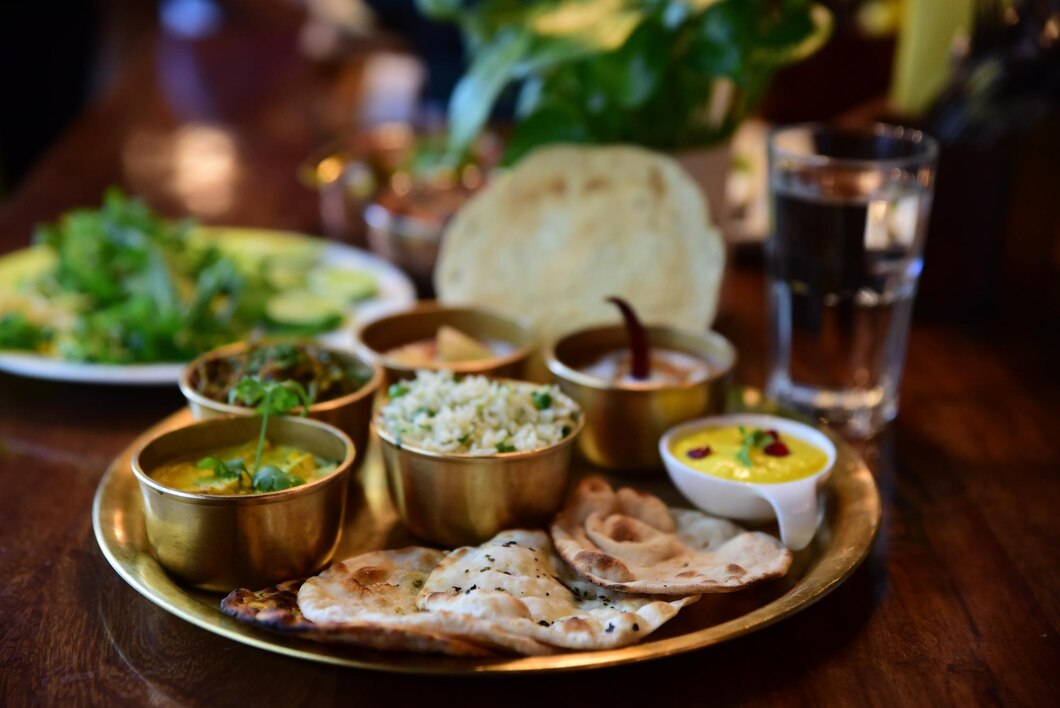
Find a restaurant that specializes in regional cooking instead of a generic catch-all menu, or order a thali — a platter meal that usually comes with several small dishes together at once.



0 Comments