Most online security guides are written for people who have a team of system administrators. After all, you’re just one person with a phone and a couple of dozen accounts, so you want something brief. These ten suggestions have been culled from the most helpful...
The way you studied in high school is expired, and it's usually up and dead by the first midterm. Rereading and highlighting your chapter worked great while your tests were on two week spans of material, but not so much when suddenly it's six chapters and a stack of...
Signing a lease is exciting right up until you realize how much of it you didn't actually read. A nice kitchen and good light can distract you from stuff that matters way more long-term — what's actually in the lease, what the building's really like to live in day to...
Buying a used car is one of those purchases where finding "the one" gets exciting enough that it's way too easy to skip the boring, careful stuff that actually protects you. A car can look great in photos, drive fine on a five-minute loop around the block, and still...
Have you ever looked at your bank account on a Friday afternoon and felt like you've been robbed? Between groceries, rent or mortgage, gas, utilities, insurance and the occasional subscription, bills can add up quicker than a speeding bullet. For many Americans, it's...
Ever notice how the second you see a certain shade of brown box with a smile logo on it, you already know exactly what brand it is? That’s not an accident. That’s packaging doing its job. And it’s honestly one of the most underrated marketing tools a business has — way more people see your box than ever see your ad.
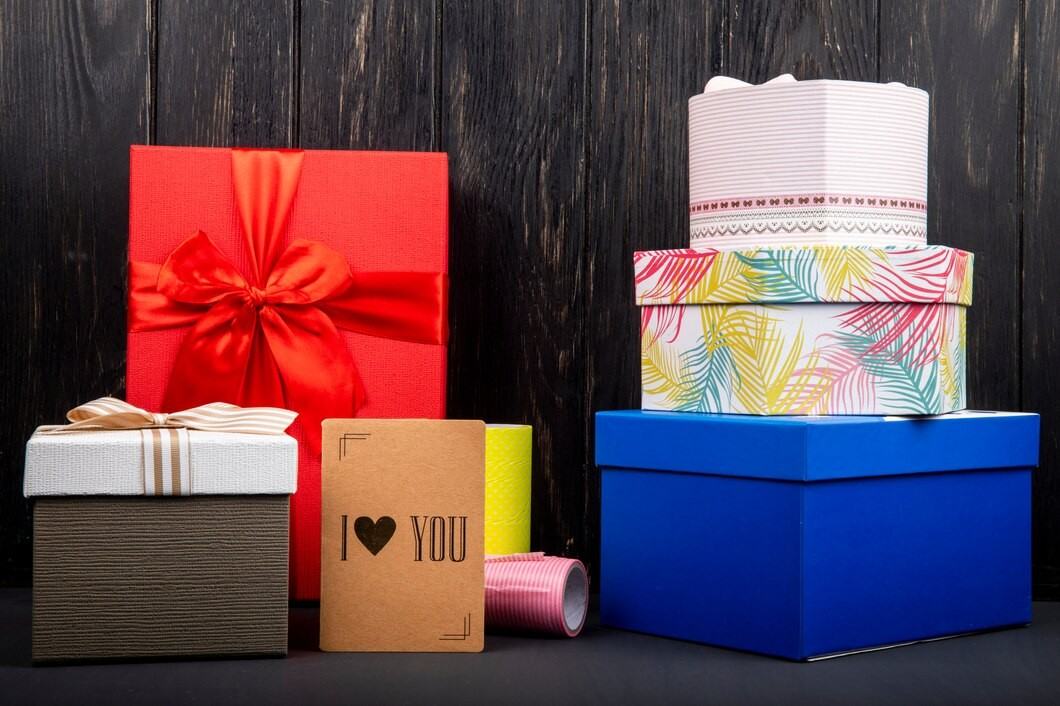
Custom printed boxes have gone from “nice extra” to something a lot of brands treat as non-negotiable, and once you dig into why, it makes a lot of sense.
Packaging Is Basically a Silent Salesperson
Think about it this way — before a customer even opens what they bought, the box has already said something about your brand. Cheap, generic packaging quietly tells people “this was an afterthought.” A well-designed custom box says the opposite: it says someone actually thought this through.
That first impression matters more than people give it credit for. A plain brown box with a shipping label slapped on feels transactional. A box with your logo, your colors, maybe a little design flourish on the inside flap — that feels like an experience. And people remember experiences a lot longer than they remember plain cardboard.
It’s Genuinely Free Advertising (Kind Of)
Once a package leaves your warehouse, it’s traveling through a delivery truck, sitting on a porch, getting carried into someone’s house — all while wearing your branding the entire time. That’s advertising you’re not paying per-impression for. A neighbor sees the box on the porch next door. A delivery driver sees it forty times a day. None of that costs extra once the box itself is already designed and printed.
Then there’s the whole unboxing-video thing, which honestly isn’t going anywhere. People film themselves opening packages and post it online, and a genuinely nice-looking box makes that footage look better — which means your brand shows up in someone’s social feed for free, just because the packaging was worth filming.
Custom Boxes Protect the Product Better Too
This part gets overlooked a lot, but custom packaging isn’t just about looking good — it’s usually built specifically for what’s inside. A box sized exactly to fit a product needs way less filler material, keeps things from shifting around during shipping, and just generally does a better job protecting whatever’s inside than a generic, oversized box stuffed with air and bubble wrap.
Fewer damaged products means fewer refunds, fewer angry emails, fewer one-star reviews about “it arrived broken.” That’s a real cost savings that’s easy to miss when you’re only thinking about packaging as a design choice instead of a functional one.
It Makes Your Brand Feel Bigger Than It Is
Here’s something small businesses especially underestimate: good packaging makes you look established, even if you’re shipping orders out of a garage. Customers can’t see your warehouse. They can’t see your team size. What they can see is the box that shows up at their door, and if that box looks professional, your whole brand feels more legitimate by association.
This matters a lot for newer brands trying to compete against bigger, more recognizable names. You can’t necessarily out-market a huge company on ad spend, but you can absolutely match — or beat — their packaging game, and that closes the perceived gap more than people expect.
Sustainability Is Part of the Conversation Now Too
Custom packaging isn’t just about looking nice anymore — a lot of customers are actively paying attention to whether packaging is recyclable, whether it’s using excessive plastic, whether the box itself feels wasteful for what’s inside. Brands that design custom boxes with sustainable materials, right-sized dimensions, and minimal unnecessary filler are picking up on something customers genuinely care about, not just chasing a trend.
It’s also just smart from a cost angle — sustainable materials and right-sized boxes tend to cost less in shipping too, since you’re not paying to ship a bunch of empty air.
What Actually Goes Into a Good Custom Box
A few things separate packaging that actually works from packaging that’s just… there. Strong, recognizable branding matters most — logo, color scheme, something visually consistent with everything else the brand puts out. Material quality matters too; a box that feels flimsy undercuts even the best design work.
Functionality can’t get ignored either — a beautiful box that’s a pain to open, or doesn’t actually protect the product well, ends up working against the brand rather than for it. And a little bit of unexpected detail — a thank-you note, an interesting interior print, a small surprise item — tends to be what actually gets people talking about a box online, more than the exterior design alone.
Frequently Asked Questions
Are custom printed boxes expensive compared to regular packaging? It depends on volume and materials, but the cost gap has narrowed a lot as more printing companies cater specifically to small and mid-sized businesses. Ordering in bulk usually brings the per-unit cost down significantly compared to smaller runs.
What size minimum order is typical for custom boxes? This varies a lot by supplier — some accept small orders in the low hundreds, while others require larger minimums to make custom printing cost-effective. It’s worth comparing a few suppliers rather than assuming one standard applies everywhere.
Do custom boxes actually improve customer retention? There’s no single number that applies to every business, but a memorable unboxing experience is consistently cited as something that increases the chance of repeat purchases and social sharing, especially for smaller, direct-to-consumer brands.
Can custom packaging be eco-friendly and still look good? Yes — recycled or recyclable materials, soy-based inks, and minimalist print designs can all look genuinely premium while also being more sustainable. It’s less of a tradeoff than it used to be.
How long does it typically take to get custom boxes made? Turnaround time varies by supplier and order size, but it’s generally smart to plan several weeks ahead, especially around busy seasons like the holidays when printing companies get backed up.
The Bottom Line
Custom printed boxes aren’t just packaging — they’re one of the few marketing touchpoints that reaches a customer in person, in their own home, without competing for attention against a hundred other ads on a screen. Between the branding value, the protection it adds, and the fact that customers are genuinely paying attention to packaging now, it’s easy to see why more businesses are treating their boxes as part of the product experience instead of an afterthought.






0 Comments